-
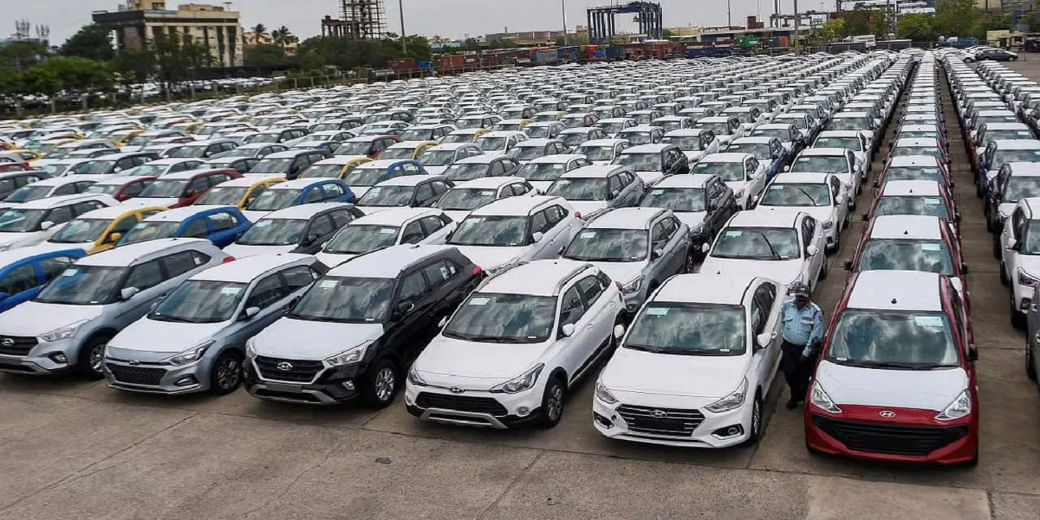
In May, sales picked up some pace as retail sales grew 10%. Two-wheeler sales went up 9%, three-wheeler sales zoomed 79%. Meanwhile, Passenger vehicles had modest growth of 7% and CV also showed a similar trend by growing 7%.
-
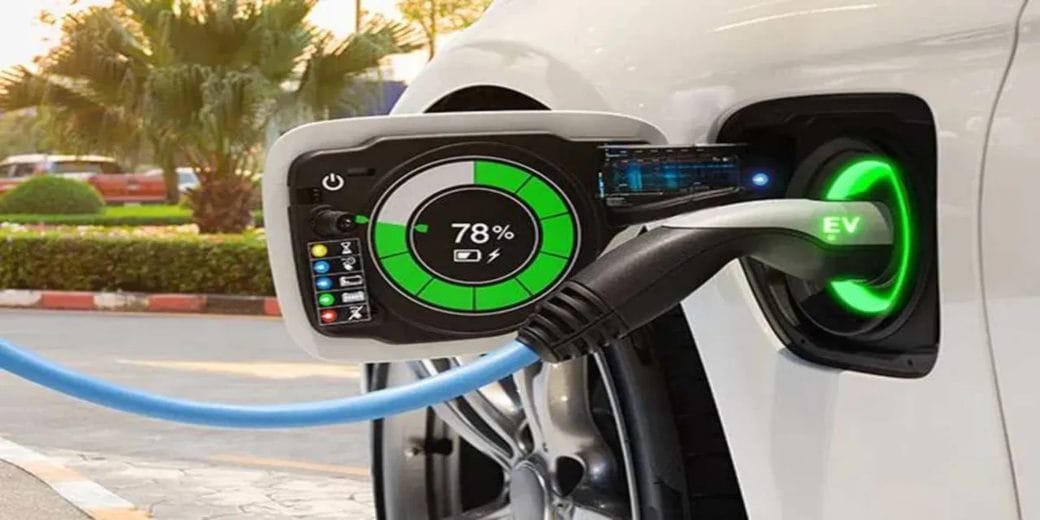
There is a sizable difference between the cost of a petrol-diesel car and an EV. For purchasing an EV, one has to pay almost double the amount of money.
-
Petrol and diesel prices are revised daily based on the average price of benchmark fuel in the international market in the preceding 15 days
-
The demand incentive for electric two-wheelers has been increased to Rs 15,000 per KWh as compared to Rs 10,000 per KWH earlier
-
Compared to new cars, used car loans come with much higher interest rates. Depending on the lender, the difference can sometimes be as much as 5%
-
The price hike will be up to Rs 3,000. The exact quantum of the increase, however, will depend on the basis of the model and the specific market
-
To encourage people to turn to e-vehicles, the state government would provide subsidies ranging from Rs 20,000 to Rs 1,50,000.
-
Covid impact on automobile sector: Exports have come to the industry's rescue in the last few months when domestic demand nosedived
-
However, the country's largest automobile maker Maruti Suzuki India did not reveal the quantum of the proposed price hike
-
As per SIAM data, overall vehicle production in May declined by 57 per cent to 8,06,755 units as compared with 18,75,698 units in April this year