

Haleem: India’s debt to Hyderabad
The only regret about this unique preparation of meat slow cooked in a stew of pulses, masala is that it is not available throughout the year
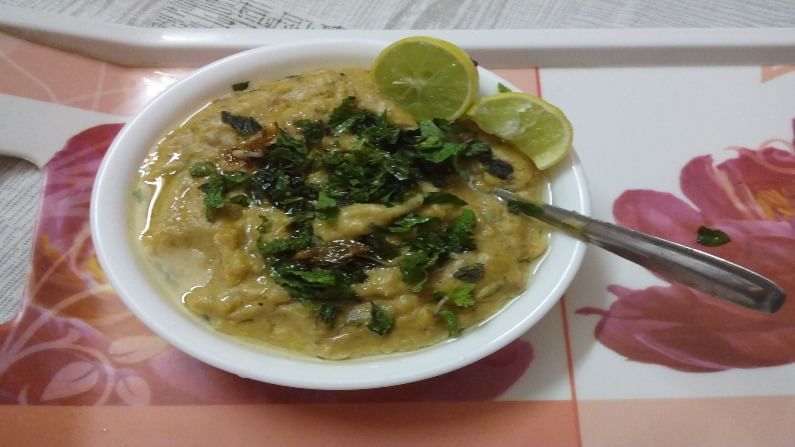
If Tamil Nadu has dosa and idly, Punjab has chicken butter masala, Bengal has rosogolla and hilsa, the former princely state of Hyderabad, the richest province during the British era, can certainly lay claim to haleem, that conjures up special allurements during the month of Ramzan.
Just as Awadhi biryani was introduced in Kolkata by the chefs who came to the city with Wajid Ali Shah (1822-1887), the last nawab of Awadh, who spent the last 31 years years in Metiabruz in Calcutta after his kingdom was annexed by the British rulers in 1856, haleem was introduced in Hyderabad during the rule of the sixth nizam, Mahbub Ali Khan (1866-1911).
Mahbub Ali Khan was the first nizam to be exposed to western education. Haleem came to Hyderabad from the Arab soldiers in his army.
It is believed that the homesick soldiers cooked haleem to have a feel of home, and when they offered the slow-cooked delicacy to the courtiers of the Nizam they lapped it up. This was probably in the third decade of the last century.
But it earned popularity during the rule of the seventh nizam, Osman Ali Khan who between 1911 and 1948.
Historians also recognise the contribution of Sultan Saif Nawaz Jung, a nobleman in the Nizam’s court, in ramping up the popularity of haleem. He used to serve it at the feasts he organised and the enchanted guests would carry the word around and try it in their kitchens.
Food historians have written that haleem is an Indianised version of harees that was a cherished preparation in Persia and large parts of West Asia.
It is cooked with meat, wheat, pulses, masalas and often relished with a few drops of lime, chopped onions and coriander leaves. The slow flame almost melts the meat and whenever a piece hits your tongue be sure that it will melt before your teeth pounce on it.
Classically, it is cooked on low firewood flame for hours and chefs say that someone should keep stirring it continuously that makes the process tedious.
Some add dry fruits in haleem, mostly in Hyderabad, that makes it a high protein food. In this city, a slightly sweet form of haleem is available too, though it is less popular.
In the feasting that follows the fasting in Ramzan months, haleem occupies the pride of place and dominates the menu, almost trivialising the presence of the fries and fruits that adorn the plate.
The harees that originated in Persia hundreds of years ago and survived in the modern age and turned into haleem in India has become such a favourite among such a large section of people that one can find it both on crowded city streets in giant vessels on a bed of burning charcoal as well as in the sanitised precincts of star hotels.
The first outlet that started selling it in Hyderabad was Madina Hotel in 1956 — the haleem has become popular all over the country. However, the delicious and energy-giving Haleem has surprisingly become associated with the Ramzan month and is not usually available in eateries after the fasting month.
The consistency of haleem varies widely. Some have described it as a stew, while some labelled it as porridge. While the street variety can be somewhat thin, the ones sold in plush restaurants are thicker with liberal additions of meat.
Sure their prices vary from streets to restaurants, but as for the magic of haleem, you can’t miss it in any environment.
Download Money9 App for the latest updates on Personal Finance.
