-
SIPs, too, have dipped in the first month of the new financial year. AMFI data showed the amount through SIPs dipped from Rs 14,276 crore in March, 2023 to Rs 13,728 crore in April, 2023.
-
An investor can get a loan against mutual fund through an overdraft
-
In 2017, SEBI made it clear that large-cap funds should invest at least 80% of their assets in large-cap equities
-
AMFI has issued a circular to the companies involved in this business stating that no additional benefits should be given to distributors who have achieved the sales target
-
According to Shweta Jain, CFP and founder of Investography, large-cap funds will continue to find it difficult to outperform indices as these have high costs to bear. Funds would need to take additional risks or concentrated bets to beat benchmark indices. Investors unwilling to take these risks should stick to index funds.
-
These funds invest in midcap, smallcap and largecap stocks of a sector. When market is going up, sectoral fund gives a good amount of return.
-
Currently, NPS account holders, who are 60 years old, are allowed to withdraw up to 60% of their total deposited amount, which they could either spend or invest elsewhere as per thier wish
-
Fund houses have the flexibility to invest anywhere between 0% to 100% in equity or debt, depending on market conditions. However, most balanced advantage funds generally have an equity allocation of 65% to 100%. Fund managers have to keep a close eye on the fund and make changes between equity and debt investments based on market research and analysis. They do this in line with the investment objectives of the scheme.
-
CAS is an important document to keep track of all your investments and the returns on them
-
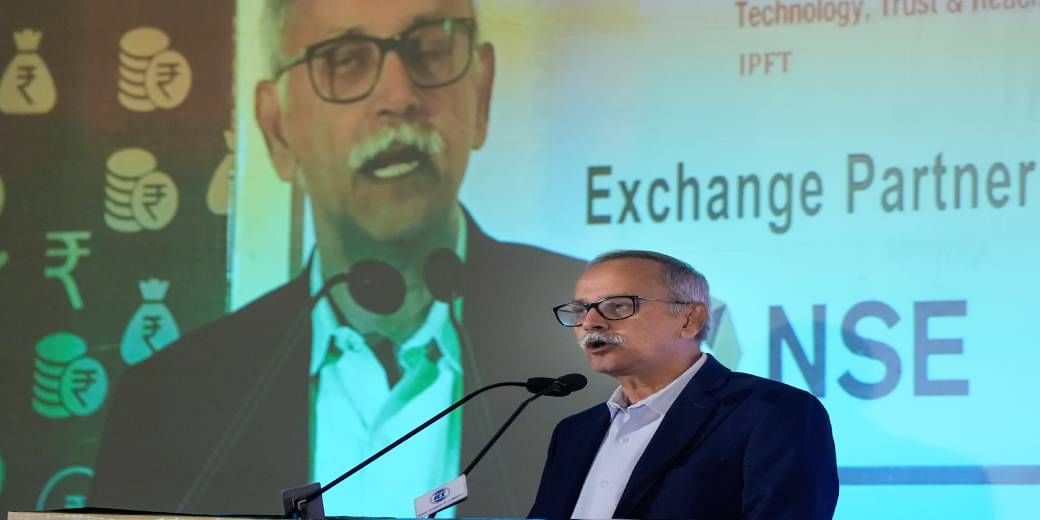
Only 6% Indian households have mutual funds..Where are Indians lagging behind? Why is mutual funds phenomenon limited to only top 30 cities? MD-CEO,
of Edelweiss MF, Radhika Gupta answers every question related to the mutual funds industry.