

Covid-19 vaccine: Centre’s flexible pricing policy will harm the public; earn producers super profits
By leaving the poor to the mercy of impecunious or uncaring state governments and profit-maximising private hospitals, the Centre has failed to live up to its responsibility of putting the public good above all else
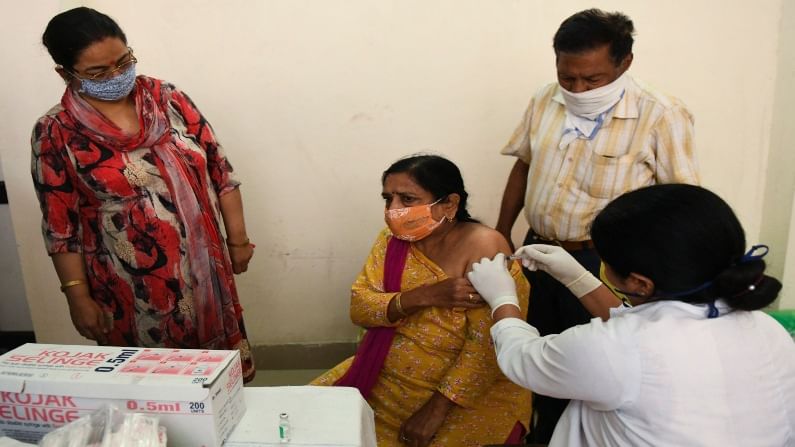
Is the government wise in allowing vaccine producers to charge different prices for Covid-19 jabs? Earlier this week, it announced a ‘liberalised and accelerated’ strategy of immunisation that would cover those of 18 years and above from 1 May and give the producers flexibility in pricing. Half of the vaccine production would go to the Centre and the rest would be sold in the open market and to state governments.
The Serum Institute of India (SII), which produces Covishield, one of two vaccines approved for use in India and the most used one declared that the jabs would be sold to state governments at Rs 400 a shot and to private hospitals at Rs 600. The Centre would continue to get it at Rs 150 a dose. Two doses with an interval of four to six weeks are needed to get the full benefit of the vaccine.
SII’s pricing to the states and private hospitals allow it to make super-profits. The Centre should not have allowed it because the price it pays the company is profitable. In an interview to NDTV, Adar Poonawalla admitted that it was not incurring a loss at Rs 150 a dose. “I wouldn’t say we are not making any profits. But we have sacrificed what we would call super profits.”
When he was asked whether at the price of Rs 150-160 a dose he was earning less than what he was spending on it, Poonawalla was categorical: “No, absolutely not. There is some profit at this price but the profit varies when the volumes go up and down.”
When those aged 18 and above become eligible to receive the shot, volumes will shoot up, not fall. And the price should fall, not rise.
Pricing strategy
The current margins don’t appear to be thin, because Poonawalla said in an interview to CNBC-TV18 that he had to share 50% of the price with the licensor, AstraZeneca, as royalty. It can be inferred from this that SII is making money even on the amount it retains, that is Rs 75. With a sizeable share of the market, SII would make fat profits in absolute terms, even if the margins dropped. The Centre should have bargained for supplies to states and private hospitals at the price it pays till a substantial part of the population (50-80 percent) was vaccinated – and de-risked.
Poonawalla said in the NDTV interview that at Rs 150 a dose, industry was subsidizing the public. By subsidy he actually meant “sacrifice” or profits foregone. A bigger profit margin, would allow SII to build capacity for higher production, tweak Covishied for effectiveness against current and emerging variants and develop new proprietary vaccine candidates to compete against those it was manufacturing under contract (Covishield, currently).
Poonawalla said the Centre’s purchase price was not “sustainable.” It would not allow SII to invest in new capacity. But he doesn’t have to use retained profits to invest in new capacity; in these times when banks are looking for profitable projects to lend to, he could have raised cheap loans on the basis of firm purchase commitments from India and abroad. SII currently produces 60-65 million doses a month and all of it is picked up; it has no stocks unlike in January. From July, it will produce 100 million doses when a filling line which got damaged in a fire is restored. The company will be making money hand over fist then.
According to news reports, the Centre has agreed to advance Rs 3,000 crore to SII and Rs 1,500 crore to Bharat Biotech, the manufacturer of the other approved vaccine, Covaxin, against supplies.
Policy failure
If the Centre wished to incentivise the producers it could have negotiated a slightly higher price of say Rs 170 a dose. The orders should have been placed centrally and allocated to the states on the basis of active cases and speed in executing the vaccination programme. Private hospitals could have been roped in to quicken the pace of vaccination. They should have been subject to the price cap of Rs 250 a jab, as now, or say, Rs 300.
The Centre’s Phase-3 vaccination strategy does not enhance the public good. The Centre’s supplies — 50% of the production — will be given to states to vaccinate priority persons: healthcare workers, frontline workers and those aged above 45.
How will the producers allocate the remaining 50%? Won’t they prioritise higher-paying private hospitals over state governments that pay less? Who will monitor the price that private hospitals will charge? The Centre has not put a price cap. They can charge more than Rs 600.
Implications on finances of state governments
Will states with their stretched finances buy vaccines in the quantities needed to immunise those who cannot afford to pay? Will states with better governance standards and health infrastructure elbow out those that are not as accountable? What is to prevent state supplies from being diverted to the open market?
Vaccination is a public good. Vaccinated persons collaterally benefit the community. They may yet get infected, but the jab will protect them from serious risk and hospitalisation, making scarce healthcare facilities available to those in grave danger. Mild infection also means lower healthcare costs and less idle time for an affected person, which in turn has tangential benefits for the larger economy.
By leaving the poor to the mercy of impecunious or uncaring state governments and profit-maximising private hospitals, the Centre has failed to live up to its responsibility of putting the public good above all else.
The centre’s strategy will result in “large-scale exclusion of the poor,” says Sunderaman T, who until 2014 was executive director of National Health Systems Resource Centre, the body that gives technical advice to the National Rural Health Mission. Since the Centre has not imposed volume commitments, the producers might indulge in rent-seeking behaviour, says the professor who was head of the School of Health System Studies at the Tata Institute of Social Sciences.
(The writer is a senior journalist and former editor. Views expressed are personal)
Download Money9 App for the latest updates on Personal Finance.
