

Fuel prices: Here’s why we may be soon approaching the upper limit
An increase in petroleum product prices has an impact on inflation as the logistics costs go up
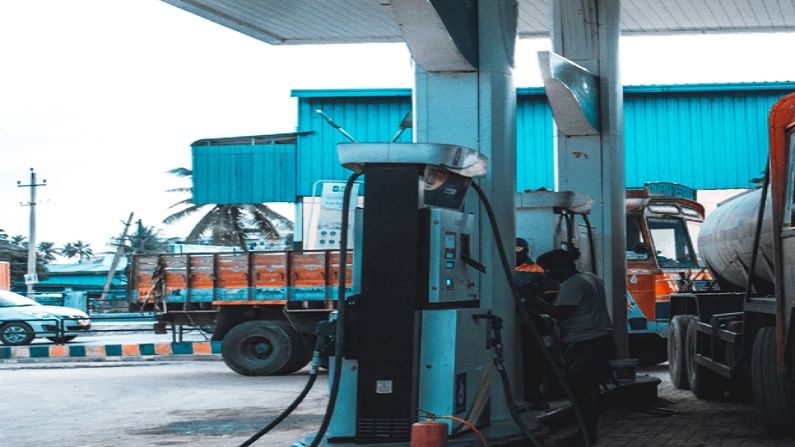
One of the key concerns that many households have is whether the hike in fuel prices will lead to an inflationary impulse and result in an increase in price levels of commodities. This is an outcome of the previous experience where we have witnessed petrol price hikes to have a pass-through effect on inflation.
In general, an increase in petroleum product prices has an impact on inflation as the logistics costs go up. However, this may not show up in the inflation figures and this is the reason why oil prices have not had a significant pass-through effect on inflation over the last couple of years.
It is important to recognise that while oil prices do have a significant impact on the logistics costs, but this is largely limited to manufactured goods. As more of the consumption basket shifts to services, the pass-through effect of inflation in the overall numbers is bound to moderate and this should not come as a surprise. In fact, in ‘Is Inflation Dead?’ Dr Surjit S Bhalla showed that the reduction in global inflation rates coincided with the largest point to point increase in prices.
However, another reason why international oil prices do not show much empirical impact on inflation in India has to do with a deliberate government policy. Even though oil prices are largely deregulated, however, governments across the country use taxes to fine-tune petroleum and diesel prices.
Thus, when prices are low, taxes are hiked and when prices go up, taxes are usually moderated. As a consequence, petroleum products have seen a stable set of range – bound prices until recently. Thus, any empirical exercise will not get the extent of variation in data to be able to estimate the extent of impact that international oil prices would have on the economy.
There are two important points here — first, oil prices are unlikely to go beyond 70-75$ per barrel and they will not fall below 50$ per barrel under ordinary circumstances. The upper ceiling comes due to non-OPEC countries becoming significant oil exporters and the lower ceiling is an outcome of the demand and production costs which will prevent the prices from falling below 50$. This means that international oil prices would remain mostly within this range – which is good news as it means that there is limited scope for international oil prices to increase – and subsequently, domestic petrol and diesel prices to increase. As is the case, governments are realising that they have overtaxed these products – so the scope for further taxes, whether by the state governments or central government is limited.
The second point is that indeed for an economy that aspires to be fully integrated into the global value chains, we would want to have lower logistics costs. Thus, if we want export-oriented industry to be placed away from the peninsular regions in the heartland, we need to evaluate whether the high taxes on petroleum products have an adverse effect on our competitiveness. Cutting VAT in these states could have a positive impact — even if limited to push down the costs of transportation of inputs and finished products.
As is, tax revenues are looking healthy and thus governments can gradually begin to reduce the tax hikes in a calibrated manner to ease some pressure. Whether they do that or not is best left for speculation – however, what can be said with certainty is that we may be soon approaching the upper limit of prices on petrol and diesel in India. Thus, prices may not go up much going forward.
(The writer is an economist and policy-researcher. Views expressed are personal)
Download Money9 App for the latest updates on Personal Finance.
