

Need to address issues in vaccination drive on an urgent basis
Vaccination is our only potent policy weapon which can bring an end to the present pandemic and its resultant economic crisis
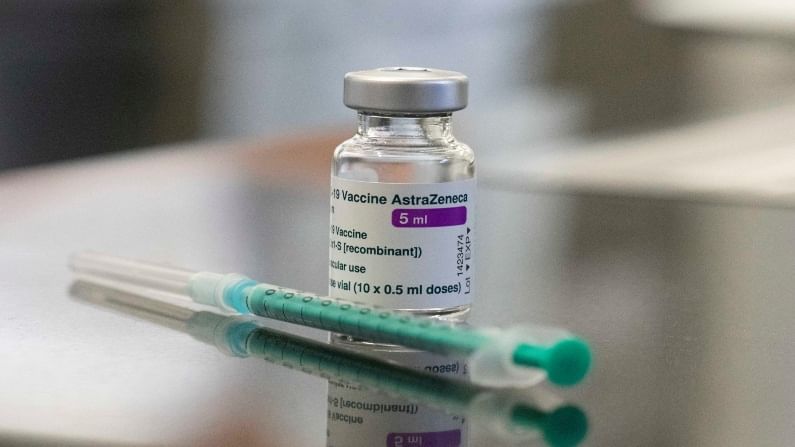
The recent surge in COVID-19 cases has shifted the focus back to the pandemic as people realise that the war against coronavirus is far from over. However, in 2021, we have a new weapon in this fight — vaccines. The problem, however, are the supply constraints with which we have to operate in the foreseeable future.
That is, with India’s large population, it will be a difficult task to produce and provide adequate vaccines in a short span of time. The present Covishield capacity is 60-65 million doses a month and the bulk of these vaccines are being provided to the Indian government which is distributing them across the country. The other vaccine is Bharat Biotech’s Covaxin, which has been approved for emergency use.
Given the extent of constraints, either on the production or on the logistics front, Indian government has taken a deliberate policy decision to prioritise vaccination drive on the risk profile of individuals. Thus, the first doze was given to front line workers, followed by individuals with co-morbidities. Eventually, government has eased the eligibility for receiving vaccines to those above the age of 45, and the process of further relaxation of eligibility will likely follow over the coming months.
Conventional wisdom would dictate that in the event of supply constraints, as long as there is a significant demand, businesses will invest to ease out the constraints to obtain greater profits. The question that thus arises is about the prospects of easing these supply constraints over the coming weeks – and whether firms will invest the requisite amount of money.
Unfortunately, this is where there is a challenge, more so in India, as we have restricted the functioning of market forces by imposing a price ceiling. Even if one is to obtain the vaccine through the private clinics, they will be charged not more than Rs 250. This includes the cost of vaccine and the cost associated with administering the same. The idea behind price controls was to ensure that people could afford the vaccine through private clinics even as the government provided them for free at its public healthcare facilities.
However, it is important to note that by capping the rate at Rs 250, firms are left with little profits to reinvest to scale up their vaccine production and logistics. Thus, on one hand by capping the prices we are ensuring that people do not have to shell out an exorbitant amount for the vaccine (which may be well beyond the paying capacity for most individuals), we are also restricting the ability of the private sector to generate adequate earnings to reinvest to ease out supply constraints. Consequently, we may end up delaying the prospects of achieving threshold vaccination levels required to put the pandemic behind us.
Economic forces typically operate in a complex manner and thus policy choices can have unintended consequences. Now there are two solutions, either the government steps in to provide for the investments required to scale up production or assists the sector in the form of incentives to make the proposition an attractive one for private investors to assist our vaccine manufacturers. Both will be critical and are justified given that they will put an end to the pandemic thereby yielding rich economic dividends in the form of allowing a complete recovery to begin sooner rather than later.
The developments on the vaccine policy front have also illustrated an important point that has perhaps gone missed from the discussion. This pertains to how a policy was able to lower the cost of vaccine for users, but at the same time imposed a higher cost on them in the form of delayed scaling up of vaccine infrastructure thereby prolonging the pandemic. It would have thus been better to allow markets to price the vaccine in the private sector as they may have better reflected these trade-offs and perhaps resulted in a better outcome.
As is the case, Indian government was providing free vaccines through its public healthcare system. Thus, those who needed the vaccine subsidy, could rely extensively on the public healthcare system while a private sector would have focused on pricing the vaccines to extract abnormal profits which could be reinvested further.
Needless to say that we have the benefit of hindsight when it comes at commenting at such situations while policymakers operate with informational constraints and without perfect foresight. India has so far managed its vaccination drive well, something that must be appreciated — and occasional errors are bound to happen when we are looking at a vaccination drive of such scale.
The question is regarding fixing them before it gets late and perhaps that is where we need to focus now as vaccination is our only potent policy weapon which can bring an end to the present pandemic and its resultant economic crisis.
(The writer is an economist and policy-researcher. Views expressed are personal)
Download Money9 App for the latest updates on Personal Finance.
