

Petrol prices – the economics and politics behind it
One of the reasons why various governments had increased taxes was because lockdown had resulted in limited tax revenues and thus, a higher tax on petroleum products was supposed to make up for the revenue shortfalls
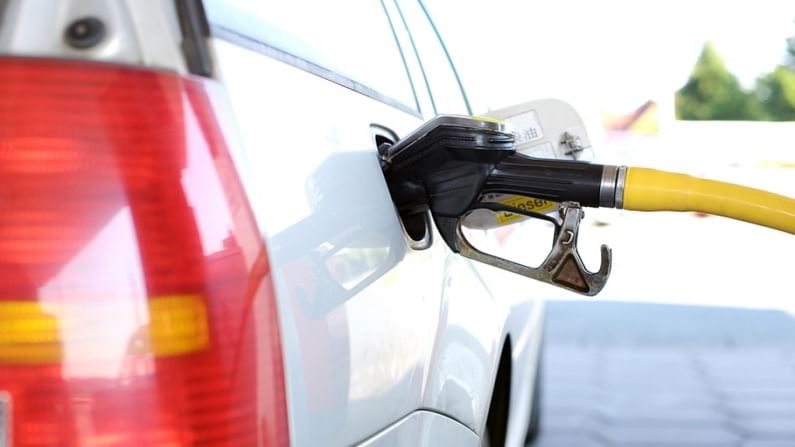
The rise in petrol and diesel prices has become a hot topic of discussion. This discussion is an outcome of a reduction in the global oil prices even as domestic prices have remained broadly the same. Thus, the use of taxes to mop up an additional revenue from crude oil price falls to reduce the size of the deficit has been a deliberate policy.
Latest example of the same was during COVID–19 as the central government increased excise on petrol and diesel while state governments hiked VAT. This occurred at a time when the international oil prices had collapsed due to lower demand for oil in the international market even as supply remained constant.
Since then, the demand for oil is back and thus, prices have started to revert to the earlier levels – while the higher taxes have remained just as before. Consequently, the oil prices in domestic markets have been increasing.
One of the reasons why various governments had increased taxes was because lockdown had resulted in limited tax revenues and thus, a higher tax on petroleum products was supposed to make up for the revenue shortfalls. However, since then, the tax revenues have caught up even as the high taxes on petroleum products continue.
Thus, the key question is whether there should be a reduction in the taxes on petroleum products given that international prices have increased – or whether the high tax rates should continue. Many argue that since high petroleum prices feed into general prices, thus they lead to an inflationary impulse. Moreover, given the extent of economic disruption that the world has witnessed, high taxes during nominal wage cuts makes limited sense. This thus suggests a moderation in tax rates.
There is another argument based on environmental considerations which argues for a high rate on petroleum products. Since the use of these fuels results in carbon emissions, thus higher taxes are desired due to the negative externalities that are being generated. There is an additional benefit of such an approach is that it also acts as an incentive for cleaner fuel technology such as electric vehicles. Therefore, there is a case for retaining at least some of the taxes on petroleum products purely due to environmental considerations.
It is, however, important to understand which government receives what extent of the share in petroleum taxes. Popular belief is that a major share of taxes on petroleum products goes to the central government – and thus, the bulk of the criticism on high taxes is directed towards the central government. However, there is a significant share of state’s taxes in the form of high value added taxes on petroleum products. Moreover, the central excise on petroleum products is a flat rate tax – thus, it remains the same unless government changes it even when the price of crude oil goes up. In contrast, the state VAT is levied as a percentage and thus, it increases when the prices go up and decreases when prices go down.
The important point here is that apart from the VAT, states also benefit from the central excise as 41 per cent of the revenue generated from excise goes to states as per the devolution formula. Thus, state governments tend to get a major part of the tax revenues from taxes on petroleum products and this is over and above the near guaranteed 14% growth in GST taxes. There is a small cess component on petroleum products which goes only to the central government.
The high dependence on a very narrow set of commodities to meet the taxation requirements reflects a major problem that must be resolved as states are pushed to undertake expenditure reforms along with other structural growth-enhancing reforms that have been pending at their end. Higher economic growth is critical to expand the narrow base and help improve government revenues while at the same time we may need to undertake extensive expenditure reforms across various governments.
(The writer is an economist and policy-researcher. Views expressed are personal)
Download Money9 App for the latest updates on Personal Finance.
