

COVID-19 effect: Indians using more cash than any time in the recent past
Cash in circulation as a share of the GDP had gone down to 8.26% in 2016-17 as a result of the demonetisation before it began rising again
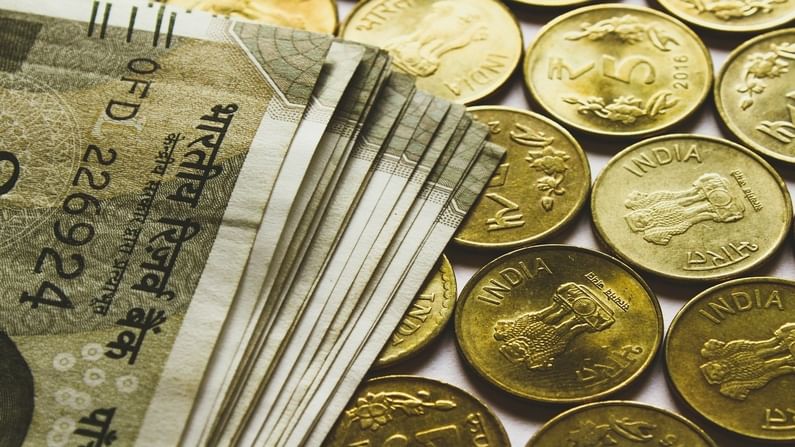
On an average, Indians are storing cash more than what they in the past 10 years. Thanks to lockdowns that can prevent access to cash and apprehension of a sudden need for medical emergency, the circulation of cash in the economy has gone up to a level that is highest in the past decade.
Though one of the stated goals on the Centre is to build a cashless society, the circulation of cash kept rising during the pandemic-scarred 2020-21, RBI data shows.
14.6% of GDP Currency as much as 14.6% of the GDP was in circulation in the economy in 2020-21, which was a significant jump from the 12.03% in the year before.
During the past decade cash in circulation as a share of GDP stood at 12.22% in 2011-12, 11.98% in 2012-13, 11.58% in 2013-14, 11.62% in 2014-15 and 12.08% in 2015-16 before diving to 8.26% in 2016-17 following the demonetisation on November 8, 2016.
However, it gradually climbed back to 10.7% in 2017-18, 11.31% in 2018-19 and 12.03% in 2019-20.
Cash build-up Back in June 2020, an article by economists of RBI observed that the pandemic triggered flow of money from savings instruments like mutual funds into currency holdings.
Interestingly, currency in circulation (CiC) increased even as digital payments and online transactions rose at a fast pace during the pandemic.
Past 50 years On the other hand, the average growth rate of the currency in circulation (CiC) in India has remained within the 11-15% band in the past 50 years.
Between 1971 and 1980, it grew at 11.6%, between 1981 and 1990 CiC rose by 14.6%, between 1991 and 2000 by 15.2%. After rising for three decades, there was a dip in the rate of growth cash circulation in this century.
In the first decade (2001-10) the reduction was only marginal compared to the last decade of the last century – CiC grew at 15.1%. The next decade (2011-2020) saw a marked deceleration when cash circulation rose by 12.6%.
Short term factors An RBI research paper indicates that factors such as day of the month, salary dates, holidays, festivals and some infrequent factors such as elections have a strong influence on short term currency demands.
With the run of the pandemic, it now appears that lockdowns that can prevent access to cash and medical emergency can exert an equally strong influence.
Holding currency “People are building liquid reserves in anticipation of some big spend any time, especially in the form of medical emergency. Therefore, the propensity to hold currency is more now than at any time in the recent past,” says Nilanjan Dey, director, Wishlist Capital Advisors, adding “Once the situation normalises the cash circulation will return to pre-pandemic level.”
To partly ameliorate the hardships of the people, the government has also relaxed the upper ceiling of cash transactions of Rs 2 lakh in hospitals for COVID-19 patients, provided their PAN or Aadhaar are obtained by the treatment centre.
In any economy, central banks that are monopoly issuers of currency monitor and calibrate the currency in circulation that is assessed against the level of economic activity.
Download Money9 App for the latest updates on Personal Finance.
