

Three-month gap between Oxford vaccine jabs provides better efficacy: Study
The results of the analysis from a phase 3 randomised controlled trial, published in The Lancet journal, suggest that the interval between doses can be safely extended to three months given the protection a single dose offers
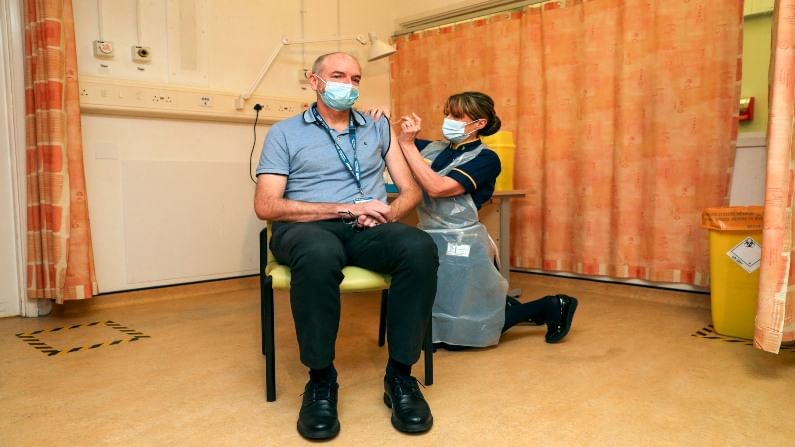
New Delhi: A three-month interval between doses of the Oxford COVID-19 vaccine results in higher vaccine efficacy than a six-week gap, according to a new study which says the first dose can offer up to 76% protection in the months between the two jabs.
The results of the analysis from a phase 3 randomised controlled trial, published in The Lancet journal, suggest that the interval between doses can be safely extended to three months given the protection a single dose offers.
According to the researchers, including those from the University of Oxford in the UK, this dosage regimen is beneficial while vaccine supplies are initially limited, and may allow countries to immunise a larger proportion of the population more rapidly.
“Vaccine supply is likely to be limited, at least in the short term, and so policy-makers must decide how best to deliver doses to achieve the greatest public health benefit,” said study lead author Professor Andrew Pollard from the University of Oxford.
Pollard believes policies of initially vaccinating more people with a single dose may provide greater immediate population protection than immunising half the number of people with two doses, especially in places where the Oxford vaccine is in limited supply.
“In the long term, a second dose should ensure long-lived immunity, and so we encourage everyone who has had their first vaccine to ensure they receive both doses,” he added.
From the study, the researchers sought to understand the effect of different intervals on protection after the second dose, and the risk of infection between jabs — either due to lower efficacy of a single dose, or rapid waning of efficacy while waiting for the second dose.
They combined data from clinical trials in the UK, Brazil, and South Africa, which together included a total of 17,178 adult participants.
According to the researchers, these participants either received two standard doses of the Oxford COVID-19 vaccine, or a control vaccine/saline placebo.
In the UK trial, they said a subset of participants received a lower dose of the vaccine as their first dose.
The scientists compared the number of symptomatic COVID-19 cases in the control and COVID-19 vaccine groups, occurring more than 14 days after the second dose.
They also estimated the impact of one or two doses of the vaccine on reducing COVID-19 cases as an indicator of how the vaccine might help to reduce transmission in the community.
To evaluate the efficacy of a single dose, the authors assessed participants who had taken their first standard dose but tested positive for COVID-19 more than 21 days afterwards.
According to the scientists, participants who were given their doses 12 or more weeks apart had greater protection than people given their two doses less than six weeks apart.
They said the efficacy results were supported by immune response results in the participants, which found that binding antibody responses were more than two-fold higher in the group having their two vaccines with a longer delay.
After receiving a single standard dose, the researchers said the vaccine efficacy in the participants from 22 days to three months after the immunisation was 76%.
Modelling analysis indicated that this protection did not reduce over the three months, they added.
According to the study, the antibody levels against the SARS-CoV-2 spike protein remained at similar levels for three months.
However, the scientists said it is not yet clear how long protection with a single dose of the vaccine might last, since the trial results are limited to the three months.
So they still recommend a second dose of the vaccine.
“This latest analysis confirms our previous findings of the higher efficacy of a low- then standard-dose regimen,” said study co-author Merryn Voyse from the University of Oxford.
“However, with additional data available, we have found that the enhanced efficacy and immunity may be partly driven by the longer interval between doses that was common in this trial group,” Voyse said.
She believes the findings further support the relationship between vaccine interval and efficacy in those receiving two standard doses.
According to Voyse, this is the preferred regimen since there are more data to support its use, “and because it is simpler to deliver a vaccine programme when the same vaccine is given for both doses.”
Download Money9 App for the latest updates on Personal Finance.
